

Sugar is everywhere — from your favorite sauces to your morning coffee. The good news is that sugar can come from sources beyond white crystals.
Nature offers many sweeteners packed with flavor, nutrients and health benefits.
If you want to switch things up, these are excellent natural sugar substitutes.
Each one has its own story, source and set of perks!
1. Dates

Dates are a natural source of sugar. They are abundant in glucose and fructose, two simple sugars your body can readily use.
In addition to their sweetness, dates contain fiber, protein, and antioxidants.
They usually contain between 60% and 75% sugar and a small amount of fat and fiber.
Dates can be made into a syrup, making them a great sugar alternative.
Date sugar or syrup blends well into smoothies, baking recipes or even sauces!
2. Honey
Honey is more than a sweet delight — it’s an intriguing food with over 200 natural compounds.
It is excellent in tea, baked goods and salad dressings.
Around 75% of it consists of simple sugars like fructose and glucose.
Doctors have been using honey in traditional medicine for many centuries. In particular, raw honey can aid digestion and alleviate sore throats.
3. Stevia

Stevia is rich in beneficial compounds called stevia glycosides, which can be up to 300 times sweeter than regular sugar.
These glycosides are low in calories, safe for eating and provide amino acids, antioxidants, fiber and anti-inflammatory benefits.
Additionally, stevia may assist in managing blood sugar levels and supporting heart health. Now who can say “no” to that?!
You can add it to tea, yogurt and baked treats without affecting blood sugar levels.
4. Monk Fruit
For centuries, monk fruit has been very popular in traditional Chinese medicine. Yep, it’s one of those ancient Chinese secrets!
Today, it’s gaining fame for its intense sweetness and zero-calorie benefits.
Monk fruit contains unique antioxidants called mogrosides, which give it a sweet flavor without raising blood sugar.
As a high intake of sugary drinks relates to increased risk of osteoporosis in older adults, it’s wise to add monk fruit to drinks, sauces or oatmeal.
It’s also great for people watching their blood sugar and can even help fight inflammation.
5. Molasses
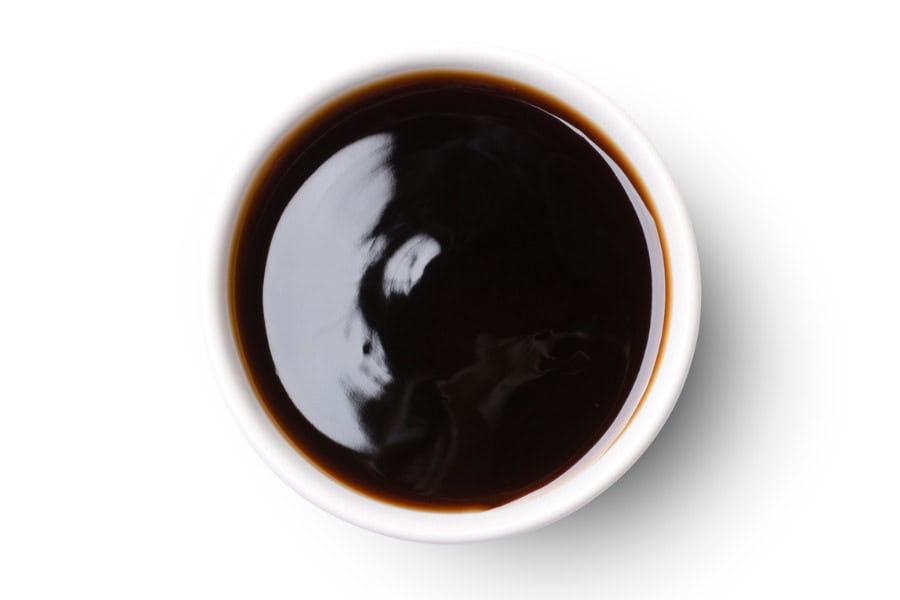
Molasses is a dark, thick syrup left over after refining sugarcane.
But unlike refined sugar, molasses holds on to many of the plant’s nutrients. That includes iron, calcium, magnesium and antioxidants.
It can also reduce oxidative stress and help block the growth of specific cancer cells.
Blackstrap molasses has the strongest flavor and highest nutrient content.
It works best in bold recipes, like barbecue sauce, gingerbread or baked beans.
You can even stir it into warm water for a mineral-rich drink. Super easy with a big bang for your buck!
4. Coconut Sugar
Coconut sugar comes from the sap of palm trees. It has a mild, caramel-like taste that’s delicious.
Use it in cookies, cakes or sprinkle it on granola. (You had me at cookies!).
It has vitamins C and E and minerals like zinc, iron and potassium.
It’s also a favorite in organic and fair-trade markets thanks to sustainable farming practices.
6. Maple Syrup
Maple syrup is more than a pancake topping. It’s a natural sweetener made by boiling sap from maple trees until it thickens.
The result contains antioxidants and minerals like zinc and manganese.
It mixes easily into glazes, marinades and baked goods. It also blends well with coconut oil to sweeten recipes naturally.
Using maple syrup adds a mild sweetness without needing a single grain of white sugar!
7. Agave Syrup

This sugar substitute has become popular for healthy, organic, functional and diabetic foods.
The syrup boasts a smooth consistency and a deep sweetness, making it a fantastic option for cocktails, baked goods and fruit dishes.
It blends seamlessly into recipes, especially if you’re looking for a liquid sweetener.
One Last Spoonful of Wisdom
Natural sugar alternatives provide more than mere sweetness. They bring distinct flavors, textures and even health advantages.
Some are packed with nutrients, while others are low in calories.
The greatest advantage?
You can continue enjoying your beloved treats — you only need to reconsider how you sweeten them.
Whether you choose dates, pure honey or experiment with monk fruit, there’s a sweet option for every recipe and every objective.
A Chef’s Answers to Your Common Questions
1. Why does my baked good taste oddly bitter with sugar substitutes?
I’ve noticed that some substitutes, especially stevia, can turn bitter when used in large amounts or at high heat.
Try blending stevia with erythritol to balance it out!
The bitterness is the problem, not the sweetener itself, so dialing back the quantity usually brings it right back into balance.
2. Why does my substitute-sweetened dough feel too dry or crumbly?
Sugar does more than sweeten; it holds moisture, and that can throw you off when you swap it out.
I’ll usually add a tablespoon of applesauce or Greek yogurt to restore moisture and binding!
If the dough already looks cracked, adding that moisture now can still save it.
3. Why is my substitute-sweetened sauce coming out under-seasoned?
What I’ve noticed is that artificial sweeteners don’t carry flavor the same way sucrose does, leaving the sauce tasting a little weak.
I make sure to boost depth with a pinch of salt or a splash of vanilla extract.
You can absolutely bring it back mid-cook, so don’t toss it yet!
4. How do I know I’m using the right amount of a sugar substitute?
Most substitutes are far more intense than regular sugar, sometimes 200 to 600 times sweeter!
My go-to method is to start at one-quarter of the sugar amount called for, then taste and adjust slowly.
Over-sweetening is the issue most home cooks run into, and it’s surprisingly easy to do.
5. Which sugar substitutes actually hold up well under high baking heat?
Typically, I’ll reach for sucralose or erythritol for high-heat baking since both are heat-stable.
Aspartame breaks down under heat and loses its sweetness, which is the problem with using it in baked goods.
Stick with heat-stable options and your results will be consistent!
6. Why does my stomach feel unsettled after eating sugar alcohol-sweetened foods?
Sugar alcohols like sorbitol and xylitol are only partially absorbed, and too much can cause real digestive discomfort.
I strictly avoid consuming large amounts in one sitting for exactly this reason.
Erythritol is generally better tolerated, so if this keeps catching you off guard, swap it in!
7. How do I tell if my sweetener blend is actually working before the dish is done?
I’ve experimented with tasting at multiple stages, and a muted or thin flavor mid-cook often means you need more blending.
Look for a clean, sweet aroma without any sharp chemical smell, which signals balance.
A sharp or almost medicinal smell is your cue that the ratio is off and needs adjusting now.